A Simple Process:
The Barrier-Moving Mindset
Learn how to recognize barriers, design meaningful solutions, and support every learner with confidence.



WHAT IS THE BARRIER MOVING MINDSET?
And What is a Barrier Moving Educator?
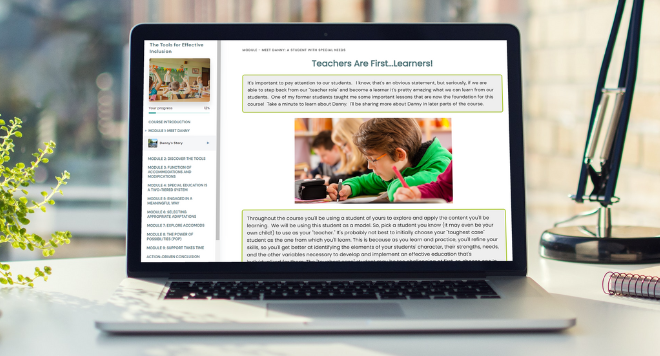
Barrier Moving Educator (BME) is a guided learning and resource environment designed to help educators shift from reactive problem-solving to proactive, barrier-focused practice. It connects ADE’s core philosophy — the Barrier-Moving Mindset — with practical tools, frameworks, and on-demand learning so you can support students more effectively every day.
Instead of adding another initiative to your plate, BME pulls together the mindset, strategies, and implementation tools you already need…all in one place.
As a Barrier Moving Educator, you ensure quality education exists for every child.

WHO IT’S FOR
BME IS DESIGNED FOR:

Classroom teachers who want out-of-the-box resources to support students with unique needs.
Special educators and co-teaching teams looking to complement IEP/MTSS planning.
School leaders seeking a shared language and process for inclusive practice.
District staff planning professional learning that actually changes classroom behavior.
Supporting Needs, Not Labels
Why Does This Matter?
Every student has strengths and challenges. When adults learn to see barriers clearly and respond with purpose, students stay engaged, show growth, and feel seen.
BME isn’t about compliance or checklists; it’s about building the capacity of educators to design instruction and support around needs, not labels.
HOW IT WORKS: THE BME PATHWAY
A repeatable, flexible approach you can return to again and again.
1. Build the Barrier-Moving Mindset
Learn how to define a barrier (a need), observe it clearly, and recognize how it shows up in learning and behavior. BME puts mindset first — because how educators think shapes how they solve problems.
2. Learn to Navigate Through and Around Barriers
Explore the Through-and-Around Process (TAP):
-
Through: design instruction that directly builds skill related to a barrier.
-
Around: select accommodations and adaptations that give students access while they grow.
3: Practice with Real Tools and Examples
The platform includes step-by-step practices, sample accommodations, and frameworks that help you put theory into action…without reinventing solutions every time.
4. Validate with Data
Instruction and adaptations are paired with simple data collection practices so you can see what’s working and refine with confidence.
5. Access Support When You Need It
Resources are available on demand, anywhere you are – whether you’re planning a team meeting, preparing for an IEP, or trying something new on Monday morning.
DEVELOPING A BARRIER-MOVING MINDSET
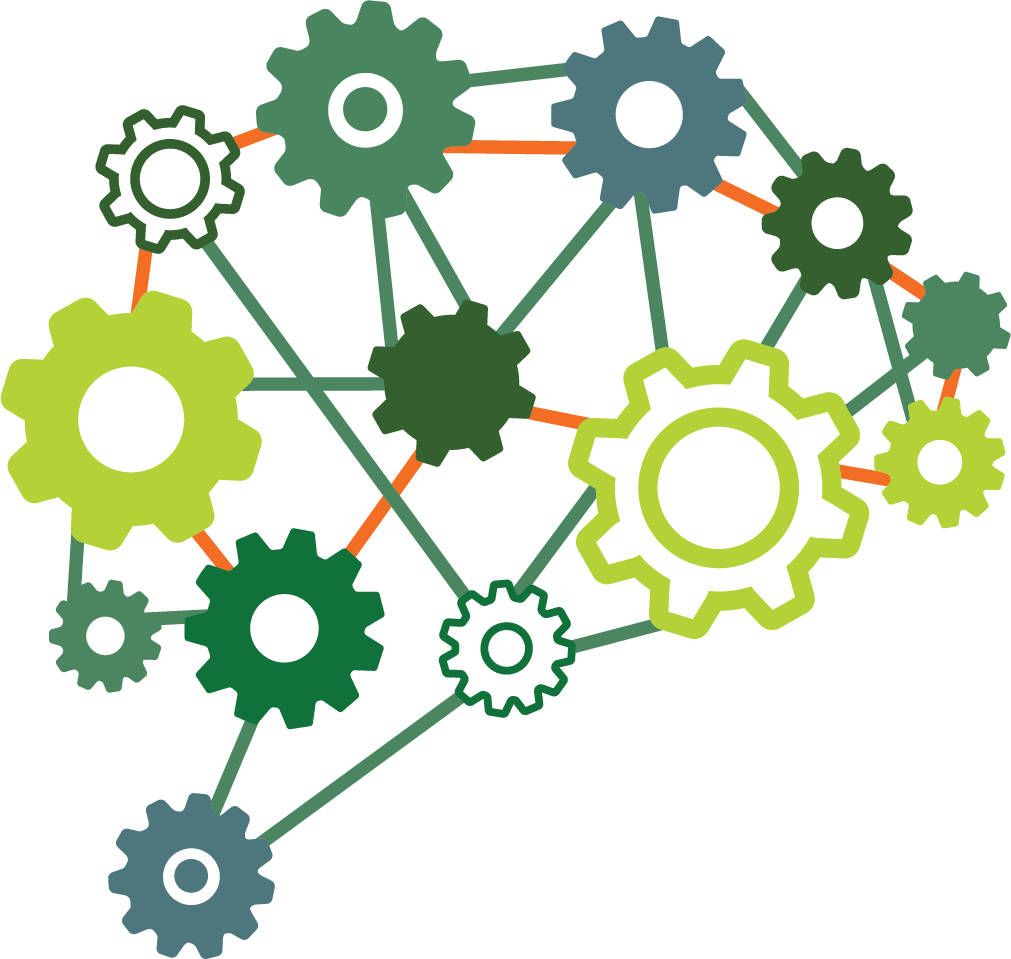
The Barrier-Moving Mindset is a process used by parents and teachers to address academic, social, emotional, and behavioral barriers students demonstrate in an instructional setting. The Barrier-Moving Mindset logo contains 13 gears, each representing one of the competencies a Barrier-Moving Educator possesses. The gears are connected by two colored cables representing the well-known elements of effective special education programs. Explore the elements below.
13 Competencies Demonstrated by Barrier-Moving Educators





Competency #5: Engages the learner and other stakeholders in identifying a barrier and developing meaningful solutions.

Competency #6: Develop clear goals that use creative and meaningful opportunities to develop the learner’s barrier-related skills and strategies.

Competency #7: Recognize and create inclusive opportunities to deliver specially designed instruction that improves the learner’s barrier-related skills in all settings.

Competency #8: Recognize and create authentic opportunities to rehearse student’s barrier-related skills in application.

Competency #9: Understand that “disability” is environment-specific and use this information to design accessible instruction and educational environments.

Competency #10: Recognize the power of classroom structure built on an all-some-one mindset.

Competency #11: Select “just-right” accommodations aligned to a learner’s strengths, needs, and degree of need and matched to their instructional, assessment, and classroom practices.

Competency #12: Utilize accessibility to increase student achievement through rigor.

Competency #13: Able to use breadth, depth, and complexity modifications to create standards-aligned inclusive opportunities for all students.
The Magic of BME
Benefits You’ll Experience
Tools only work when the thining behind them is clear.
Action Driven Education created BME to close the gap between theory and practice. When educators understand why a learner experiences a barrier, they’re better equipped to choose supports that actually make a difference.
More Clarity, Less Guesswork
No more endless brainstorming. BME gives you a framework for why a barrier exists and how to address it.
Better Collaboration Across Teams
A shared mindset and vocabulary means co-teachers, specialists, and leaders can work from the same playbook.
Smarter Adaptation Choices
You’ll learn how to match support to the student’s strengths and needs so adaptations are just right, not too much or too little.
Confidence-Building Outcomes
When you can see how your decisions affect student engagement and growth — and explain that with data — you don’t just act on instinct; you act with insight.

From Barrier to Breakthrough
WAYS TO USE BME WITHIN ACTION DRIVEN EDUCATION
Professional Learning and Staff Development
Use BME as a foundational course for new and experienced teachers alike. It introduces consistent language and strategy that teams can adopt schoolwide.
Supplement to IEP & MTSS Planning
Teams can reference BME materials during meetings, using the same frameworks that shape day-to-day instruction and adaptations.
On-Demand Reference for Daily Practice
Teachers can revisit bite-size modules when they need a practical reminder or strategy, right when they’re planning lessons or supports.
Integration With Accomods® & Other ADE Tools
BME provides context and process that make tools like Accomods® more powerful — you know not just what to choose, but why it fits.
Support Every Learner with Intention
Join Barrier Moving Educator and step into a more intentional, practical way of supporting learners…one barrier at a time.
Let’s make an impact together.