
Barrier Moving Educators
Barrier-Moving Mindset: A Simple Process
Barrier Moving Mindset GPT
The Barrier Moving Mindset Guide is a structured framework designed to help educators identify, understand, and address students’ academic, behavioral, social, and emotional barriers by developing targeted skills and supports. It empowers teachers to creatively work learners through their needs with skill-building strategies and around their needs using just-right accommodations—validated by data—to ensure meaningful engagement and success in inclusive settings.
Action Driven Job Aids
The Action Driven Education Job Aids are practical tools designed to support educators in implementing the Barrier Moving Mindset framework through clear, actionable steps. Each job aid breaks down complex instructional concepts—like accommodations, modifications, and data collection—into manageable, easy-to-follow visuals that help teachers plan, support, and monitor student growth effectively.

Step #1: Identify a Barrier
Barrier-Moving Educators develop meaningful relationships* with all learners, which enables them to recognize the presence of an academic, social, or behavioral barrier* -a student’s need- in their classroom. Because all classrooms are different, barriers may be present in one setting while not in others, so all educators should possess this skill set. Once educators recognize the presence of a barrier, we should work with all stakeholders, including the student,* to eliminate it.

Step #2: Work the Learner Through Their Need
By working creatively with all stakeholders, educators eliminate a need by facilitating a process that improves the learner’s skills and strategies in areas where they struggle. We do this with well-developed goals* that guide explicit need-based instruction and create unique opportunities to refine and rehearse barrier-related skills and strategies in inclusive environments. However, building skills takes time, so a more efficient way to overcome the barrier is also necessary.
Step #3: Support the Learner Around Their Need
This is where accommodations that empower the learner around their need are so important. Just-right accommodations* allow educators to make their unique environment*, including their class, instruction, and assessments, accessible to all learners*. Accomods by Action Driven Education helps educators find, understand, and implement accommodations that fit their unique instructional environment, align with the learner’s needs, and leverage their strengths. Just-right accommodations provide the support that’s necessary to reduce behavioral manifestations* by engaging the learner in a rigorous education*.
Step #4: Monitor “Through” Efforts with Instructional Data
Barrier Moving Educators recognize the importance of validating the impact of our efforts by collecting instructional data that shows steady progress toward clearly stated outcomes. When a learner’s skills are lagging, we must be creative to take full advantage of every opportunity to provide explicit instruction directly aligned with their need. To avoid a loss of valuable instructional time, our laser-focused efforts to improve a student’s need-related skills must be verified with data!

Step #5: Verify the Effectiveness of “Around” Efforts
The impact of just-right accommodations should be seen quickly and monitored to verify their ongoing effectiveness. As the learner grows and their skills improve, the variables that define just-right also change. This adaptability ensures that our support is always tailored to the student’s current needs. Besides, teachers are busy, so the best way to save the time it takes to provide support is by ensuring it’s not being wasted, and data provides that proof!
A Student Story to Apply the Barrier Moving Mindset
A Story of Inclusion: Ms. Garcia and the Journey to Unlock Jacob’s Potential
Ms. Garcia was known at Oakwood Elementary for her inclusive and thoughtful teaching style. Her classroom was a place where all students felt seen, understood, and valued. One particular student, Jacob, had been on her mind since the first day of school. Jacob was a bright boy, curious about the world, but there were times when he would withdraw, unable to engage with lessons, his frustration was clear. Ms. Garcia knew there was a barrier hindering his progress, and she was determined to help him overcome it.
Ms. Garcia began by collecting data. She observed Jacob closely during lessons, monitoring his engagement, test scores, and behavior in various classroom activities. After gathering weeks of data, she noticed a pattern—Jacob struggled most during unstructured activities or transitions. His performance and participation dropped during these times, and this data helped her validate her initial observation: something about these situations created a barrier for Jacob.
Instead of making assumptions, Ms. Garcia knew the best way to support Jacob was to understand his perspective*. She set aside time each day to talk with him, asking about his feelings during different parts of the day. Jacob was hesitant at first, but slowly began to open up. He shared that he often felt overwhelmed by noise and changes in routine, which made it hard for him to concentrate. He also felt self-conscious when he didn’t understand something right away, leading him to withdraw from participating in the class.
Through her conversations with Jacob, Ms. Garcia recognized that sensory processing and anxiety during transitions were key barriers for him*. She predicted that this would continue to be a challenge, especially during busy times like group work or school assemblies. His retreat into withdrawal wasn’t defiance; it was his way of coping.
Jacob’s behavior—quietly withdrawing from activities, avoiding eye contact, and refusing to participate—were manifestations of his anxiety and sensory processing challenges*. Ms. Garcia recognized these behaviors as signals, not problems, and used them as a guide to better understand his needs.
Ms. Garcia reached out to Jacob’s parents and the school counselor to collaborate on solutions*. Together, they held a meeting with Jacob to explore how to make him more comfortable in class. Jacob expressed a need for quieter spaces and more predictable routines. His parents mentioned that he used noise-canceling headphones at home, which helped him focus. Additionally, Jacob’s father asked if the team thought it would help him to develop coping skills if they got him involved in karate, something they has been considering as a result of their own observations. Ms. Garcia and the rest of the team took all of this into consideration as they brainstormed ways to support Jacob.
Ms. Garcia established clear goals to develop the skills and strategies* Jacob could use to manage transitions and control his sensory overload. One of the goals was for Jacob to gradually increase his participation in group activities by practicing coping strategies. Specifically, she thought it would be helpful for Jacob to learn some deep breathing exercises, self-talk strategies, and to talk to a trusted friend or adult whenever he anticipated that a situation might cause anxiety. These solutions were framed positively, with an emphasis on Jacob developing skills and strategies to handle overwhelming situations.
Recognizing the need for Jacob’s inclusion in all classroom activities, Ms. Garcia didn’t separate him from his peers. Instead, she integrated the use of noise-cancelling headphones for Jacob and established sensory breaks and structured transition times for the entire class. She explained that everyone benefits from these practices, normalizing Jacob’s needs without singling him out. In doing so, she created an environment where all students could thrive, particularly those who needed extra support like Jacob.
Ms. Garcia realized that Jacob needed real-life opportunities to practice his coping strategies. She began incorporating short mindfulness sessions before transitions, where Jacob could use his strategies in real time. She also arranged for Jacob to practice managing sensory overload during recess by offering him a quiet space nearby when things became overwhelming. Each time he faced a challenge, she provided immediate feedback, helping him build confidence in his ability to manage his environment.
Ms. Garcia understood that Jacob’s challenges were not a fixed disability but an environmental mismatch*. She adapted her classroom’s sensory environment by reducing noise, adding more visual schedules, and preparing Jacob for changes in routine with clear, calm communication. By adjusting the environment, she created a space where Jacob, and his entire class, could flourish. This all-some-one mindset ensured that her teaching reached all students, provided additional support to some who needed it, and personalized help for those like Jacob. Her approach was seamless: Jacob’s needs were met within the general structure of the class, benefiting not only him but also other students who faced similar challenges.
Jacob’s noise-canceling headphones were a game-changer. Ms. Garcia also introduced a “transition buddy” system where Jacob would pair with a calm peer during difficult transitions. She used visual schedules and gave him extra time during tests*, which reduced his anxiety. These accommodations were directly aligned with Jacob’s strengths and needs, helping him succeed without lowering expectations.
Ms. Garcia held Jacob to the same academic standards as the rest of the class, but she adjusted the learning process and activities in ways that helped him independently meet those standards. She gave him multiple ways to demonstrate his understanding, using technology and hands-on activities to match his learning style. Jacob thrived when given structured, rigorous opportunities that accounted for his sensory and emotional needs.
Finally, Ms. Garcia introduced lessons that pushed Jacob to explore topics deeply. She encouraged him to pursue his interest in science, providing extra reading material and opportunities for complex project work. She modified assignments in ways that allowed Jacob to engage with higher-level thinking, tapping into his intellectual curiosity.
By the end of the school year, Jacob had grown in ways neither he nor his family had anticipated. He participated in group projects, handled transitions with confidence, and had developed strategies to manage his sensory needs. The environment Ms. Garcia created allowed Jacob to show his full potential, and in doing so, she had transformed not just his learning experience but the classroom dynamic for all her students.
Developing a Barrier-Moving Mindset
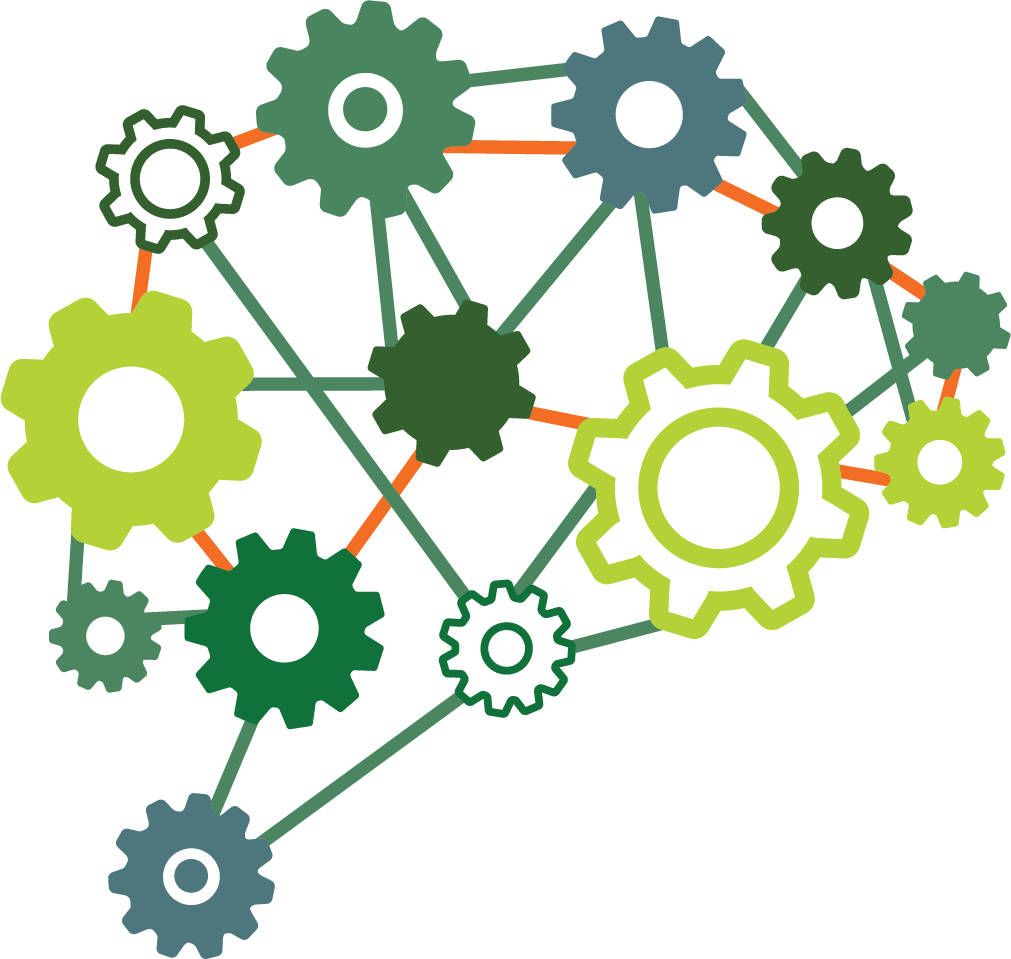
The Barrier-Moving Mindset is a process used by parents and teachers to address academic, social, emotional, and behavioral barriers students demonstrate in an instructional setting. The Barrier-Moving Mindset logo contains 13 gears, each representing one of the competencies a Barrier-Moving Educator possesses. The gears are connected by two colored cables representing the well-known elements of effective special education programs. Explore the elements below.
13 Competencies Demonstrated by Barrier-Moving Educators





Competency #5: Engages the learner and other stakeholders in identifying a barrier and developing meaningful solutions.

Competency #6: Develop clear goals that use creative and meaningful opportunities to develop the learner’s barrier-related skills and strategies.

Competency #7: Recognize and create inclusive opportunities to deliver specially designed instruction that improves the learner’s barrier-related skills in all settings.

Competency #8: Recognize and create authentic opportunities to rehearse student’s barrier-related skills in application.

Competency #9: Understand that “disability” is environment-specific and use this information to design accessible instruction and educational environments.

Competency #10: Recognize the power of classroom structure built on an all-some-one mindset.

Competency #11: Select “just-right” accommodations aligned to a learner’s strengths, needs, and degree of need and matched to their instructional, assessment, and classroom practices.

Competency #12: Utilize accessibility to increase student achievement through rigor.

Competency #13: Able to use breadth, depth, and complexity modifications to create standards-aligned inclusive opportunities for all students.